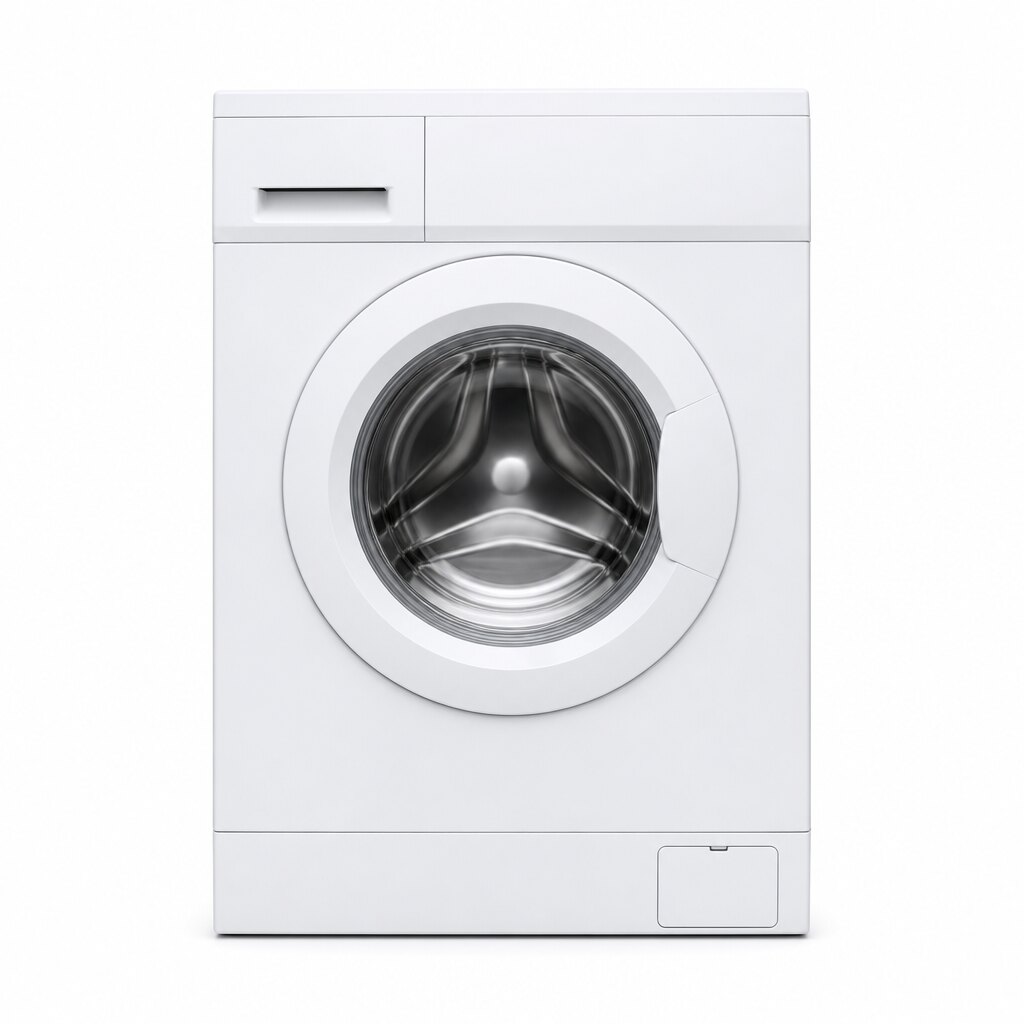
Shopping for a new washer usually starts with one question: front-load or top-load? Both get clothes clean. The differences are in water use, how gentle they are, convenience and how much floor space you have.
Cleaning and fabric care
Front-load washers tumble clothes through a small amount of water, which is gentle on fabrics and very effective on stains. Top-loaders with an agitator scrub harder and run shorter cycles; impeller top-loaders sit in between and leave more room for bulky items. If you wash a lot of delicates or activewear, a front-loader is the safer bet.
Water and energy
A front-loader uses noticeably less water per load and spins faster, so clothes come out drier and the dryer runs for less time. Over the 10 to 13 years a washer usually lasts, that adds up on your utility bills.
Convenience
Top-loaders are easier on your back: there is no bending to load, and you can toss in a forgotten sock mid-cycle. Front-loaders can be raised on a pedestal or stacked with a dryer, the only option in a laundry closet.
Capacity
For a family of four, 4.5 cubic feet is the sweet spot; 5 cu. ft. and up takes a king-size comforter in one load. In a condo or apartment, a 24-inch compact washer with 2.2 to 2.4 cu. ft. fits under a counter or in a closet.
Maintenance
Front-loaders seal with a rubber gasket. Wipe it dry, leave the door ajar after washing and run a cleaning cycle once a month, and you will never notice a musty smell. Top-loaders need less attention.
What about all-in-one washer dryers?
Combo units wash and dry in the same drum: no transfer, no dryer vent. Drying takes longer than in a separate dryer, but in an apartment without a vent they are a game changer.
Our quick take
- Choose a front-load washer for the best cleaning, water savings and stacking.
- Choose a top-load washer for easy loading, shorter cycles and a lower price.
- Short on space? Look at compact washers and dryers or an all-in-one washer dryer.
Don’t forget the matching dryer, and check whether your laundry room has a 240 V outlet for an electric dryer or a gas line for a gas model.